In brief
- Dry skin lacks oils, often feels tight and is a skin type. Dehydrated skin lacks water and is a temporary state, which even oily skin can have.
- Which of the two it is determines the approach. That's why we start with a skin analysis for €69.00.
- After a hydrating treatment your skin feels more supple straight away. For a barrier that holds moisture again, allow four to six weeks.
- The biggest gains are made at home: shorter, cooler showers, gentler cleansing and applying cream to skin that is still damp.
Written by Nilay, owner and beauty therapist at Moons BeautyUpdated on
What dry skin does to you
It starts with washing. Afterwards your skin feels clean, but also tight, as if it's a size too small. Within a few minutes you want cream, and if you don't apply anything, that tightness simply lingers.
There is almost always a pattern. It's worse in winter, after a long hot shower or after a day in the wind. In the skin analysis that pattern tells us which of the two causes applies to you.
- Tightness, strongest in the quarter of an hour after cleansing
- Fine flakes around the nose, on the cheeks or in your eyebrows
- A dull complexion that no longer reflects light
- Make-up that starts to peel or settles into fine lines
- A rough feel under your hand, sometimes with itching
Dry or dehydrated, two different things
This distinction is the one most often skipped. Dry skin produces too few oils. That is a skin type, just like oily skin. It's part of you and doesn't change from one month to the next.
Dehydrated skin lacks water in the upper layers. That is a state, and it can happen to any skin, including skin that shines or skin with blemishes. A shiny nose and tight cheeks at the same time feels contradictory, yet we see it every week.
That difference determines the approach. You solve a lack of moisture with active ingredients that bind water and a layer on top that slows evaporation. That can turn around within weeks. Dry skin calls for replenishing oils and stripping far less, and that remains maintenance.
The difference at a glance
Compare your own skin and see which column you recognise. It can also be both.
| Topic | Dry skin | Dehydrated skin |
|---|---|---|
| What's missing | Oils and ceramides | Water in the upper layer |
| Type or state | A skin type, so ongoing maintenance | A state, can turn around in weeks |
| How it feels | Rough and parched, even hours after applying cream | Tight, strongest right after cleansing |
| Your T-zone | Hardly any shine there either | Can shine while your cheeks feel tight |
| Typical time | All year round, most noticeable in winter | After a holiday or too many active products |
| What helps | Replenish oils, strip less | Bind water, seal it in, remove the cause |
Many people recognise both columns. Then that only determines the order in which we start.
How to test at home which of the two it is
You can check these four things yourself on an ordinary day.
Look an hour after cleansing
Wash your face and apply nothing for an hour. If everything stays matte and parched, dry is probably your type. If your nose shines while your cheeks feel tight, your skin lacks moisture.
Gently pinch your cheek
Take a small piece of skin between thumb and index finger and pinch lightly. If fine lines appear like a little fan and don't disappear straight away, that's a well-known sign of a lack of moisture.
Notice where it flakes
Flakes around the nose, corners of the mouth and eyebrows more often go with a barrier that is temporarily struggling. Flaking across your whole face fits better with a skin type that produces little oil.
Think back to July
If your skin was like this in July too, you're looking at your skin type. If it has only been like this since the heating came on or since that new serum, it's temporary and easy to reverse.
Where dryness comes from
Usually two or three causes come together. It only goes away once you tackle all of them.
Cold, wind and the heating
Cold air holds little moisture and the heating makes the air indoors even drier. So your skin gives off water all day long and has to cope with a jump in temperature at every door. If you cycle or exercise outside, wind is added to that.
Water, soap and over-cleansing
Hot water dissolves precisely the oils that keep water in, so a long, hot shower dries out your skin more than you'd think. And skin that squeaks after washing has lost its protective oils.
A pile of active products
Retinol, a mild acid, a scrub and vitamin C are fine on their own. Together they ask more than your skin can deliver. The most parched skins we see belong to people doing too many good things at once.
Age, hormones and medication
Over the years your skin produces less sebum and less of the oils that hold moisture, and around the menopause that speeds up. You can read more about that under fine lines. Medication can also play a part, for example acne medication. Discuss that with your GP.
What goes wrong in your skin barrier
Picture the top layer as a little wall: flat skin cells as bricks, a mixture of oils, ceramides and cholesterol as the mortar between them. That mortar keeps water in and irritants out.
With dry skin, too little mortar has been made. With dehydrated skin there are holes in it, because something is gnawing at it, such as hot water, a cleanser that's too strong, cold or friction. More water then evaporates than is meant to, and you feel that as tightness. A wall with holes also lets more in. That's why dry skin often becomes sensitive skin too.
That's why we build up first and only then do something active. A peel on a leaking barrier feels smooth the next day and four days later more parched than ever. That layer renews itself, and for a clear difference allow four weeks.
Treatments for dry skin at Moons
We do two things: we replenish what your skin lacks and we repair the layer that has to hold it. If you only do the first, it works until the next morning. What it will be, we decide together in the skin analysis.
Hydra treatment
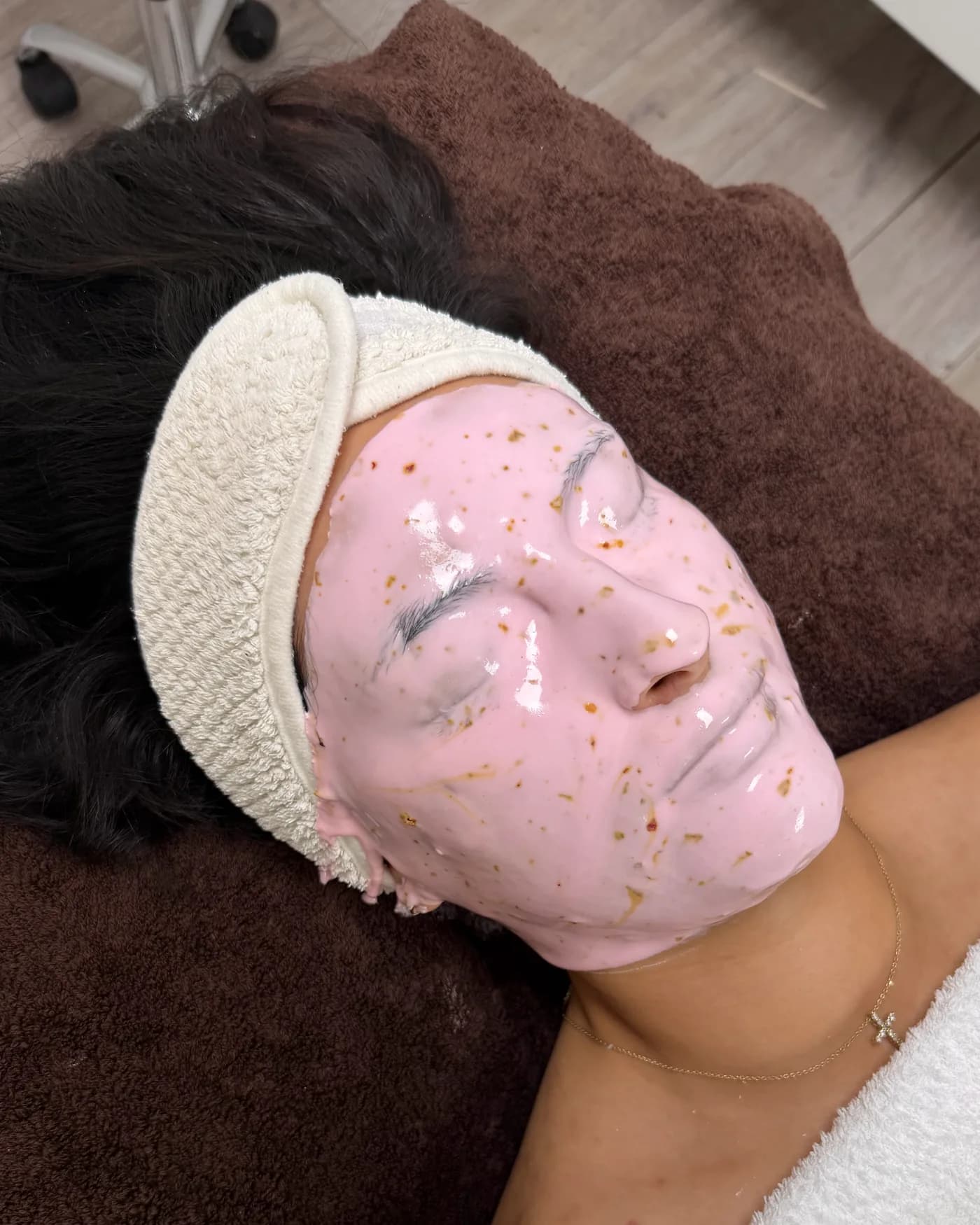
€79.00For dehydrated skin this is our standard. Hyaluronic acid and a cooling hydrojelly mask bring water back into the upper layers, and the finishing care keeps it there. The next day your skin feels plumper.
60 minutes4 to 6 times, every 3 to 4 weeksViewRedness and dry skin
€75.00A mild cleanse, a calming serum and LED therapy. We choose this if, besides dry, your skin is also red, burning or parched, because then bringing calm matters more than pushing on.
60 minutes3 to 5 times, every 4 weeksViewHyaluronic (microneedling)
€89.00With the Dermapen we bring hyaluronic acid in deeper than a serum reaches. It comes in two molecule sizes: one attracts water, the other keeps the surface supple.
50 minutes3 to 4 times, every 4 weeksViewFirst skin appointment
€69.00In sixty minutes we find out whether you lack moisture or oil and go through your routine. Then you get a treatment to match straight away, and you go home with a plan.
60 minutesonce, as a startView
If your skin is flaking, we skip peels until the barrier is sealed again. All prices are on the prices page.
Dryness on medium or darker skin
On medium or darker skin, dryness looks different. Your skin turns greyish or ashy rather than red, especially on your cheeks and around your mouth. Flakes actually stand out more, because they contrast lighter.
That has two consequences. Dryness is recognised later, because the red warning is missing. And every irritation can leave a darker mark that takes months to fade, as we explain under pigmentation. That's why we don't scrub or peel parched skin of colour, even if those flakes bother you.
What can you expect and when?
Dry skin is rewarding. You feel the difference sooner than with almost any other skin goal. It only becomes lasting once your routine changes with it.
Straight after the first time
Soft, plump and no longer tight
There's water in your skin and the loose flakes are gone, so everything feels more supple and looks less dull. That lasts a few days to well over a week.
After 2 to 3 weeks
The tightness returns later
You notice the first real gain by the clock: after washing it takes longer before you reach for your cream. Flaking usually visibly decreases in this period.
After 4 to 6 weeks
The barrier is back in play
After two or three treatments and an adjusted routine, the top layer has renewed. Your skin tolerates more again and looks livelier. Now something more active can be added.
After that
Maintenance, from October to March
If dry is your skin type, it remains maintenance: every four to six weeks in winter, hardly at all in summer. If you want to see what it did for others, have a look at the results.
When is the best time to start?
With dry skin you can start all year round, because there's no sun restriction as there is with peels. Still, we prefer September and October. You then start before the heating is on for months. By February your skin has already given off water for a whole winter.
If you only notice it in the middle of winter, we simply begin. Building up then takes longer, though. If you're going away in summer, book a hydrating treatment in the week after your holiday. Sun, salt, chlorine and air conditioning dry out your skin faster than a Dutch winter.
The routine you will actually keep up
Short and boring, because that works. Four products you use every day are enough.
Morning
- Rinse with lukewarm water, or use a mild, non-foaming cleanser if your skin feels oily
- Apply your serum while your skin is still slightly damp, preferably with hyaluronic acid or glycerine
- Finish with a day cream that matches what you lack: moisture, oils or both
- Last of all sun protection SPF 30 to 50, even in winter
Evening
- Cleanse once, and only double cleanse if you wear make-up or sun protection
- Skip scrubs, brushes and flannels as long as your skin is flaking
- Work your serum into still-damp skin, straight after patting dry
- Finish with a richer night cream, with a thin layer of oil on top if needed
- Use retinol and acids only after consulting us, and never in a week when your skin is parched
Our most important rule: apply cream within a minute of washing, on skin that is still damp. That way you seal in the water that's already there.
What does it cost to treat dry skin?
You pay per treatment, so you're not tied to anything. A course costs roughly the amounts in this table. On top of that comes the first skin appointment for €69.00, because that's where we start.
| Treatment | Per session | Usual course | Full course (estimate) |
|---|---|---|---|
| Hydra treatment | €79.00 | 4 to 6 sessions | €316.00 to €474.00 |
| Redness and dry skin | €75.00 | 3 to 5 sessions | €225.00 to €375.00 |
| Hyaluronic (microneedling) | €89.00 | 3 to 4 sessions | €267.00 to €356.00 |
See this as a guide. For dehydrated skin, three sessions and a different routine are often enough. Cosmetic treatments are not covered by insurance. The current prices are on the prices page.
Good to know about dry skin
Your cleanser makes more difference than your diet
A varied diet is never wrong, only you can't send oils to one particular place in your body. We see more difference from a different cleanser than from an adjusted shopping list.
With dry skin the problem lies in evaporation
Drinking enough is good. That water goes via your blood to the places where your organs need it, and doesn't end up as an extra layer in your outer skin. That's why slowing down evaporation helps more.
Oil works best as the last step
Oil seals, but brings hardly any water of its own. On bone-dry skin you therefore seal in dryness. So apply oil over damp skin, as an addition to your cream.
Leave scrubs alone as long as your skin is flaking
Flakes are loose cells from a layer that isn't in good shape. Scrubbing removes them for a moment, but damages that layer further, and within two days there are new ones.
When to see your GP first?
See your GP first if the flaking persists despite good care, if your skin itches, weeps or cracks open, if there are sharply defined red patches or if the same spot keeps coming back. That can point to eczema or something else a doctor needs to assess. The same applies if your skin became dry after you started a new medication. Discuss that with your GP or pharmacist. A skin therapist works paramedically and often on referral, a dermatologist is a doctor and makes the diagnosis. Alongside such treatment we're happy to help you with mild, nourishing care. If in doubt, ask your question via the skin quiz or read more about Moons.
Frequently asked questions about dry skin
What is the difference between dry and dehydrated skin?
Dry skin produces too few oils. That is a skin type, it's part of you. Dehydrated skin lacks water in the upper layers. That is a temporary state any skin can get, even oily skin. Dry feels rough and parched, dehydrated feels tight while your nose can actually shine.
Which facial helps best for dry skin in Enschede?
For dehydrated skin the Hydra treatment is our standard. Hyaluronic acid and a cooling mask bring water back, and the finishing care keeps it there. If your skin also feels red or burning, we choose the calming version with LED therapy. If your skin doesn't improve with care alone, we bring hyaluronic acid in deeper with microneedling.
How many treatments do I need?
Usually three to six times, with three to four weeks in between. For dehydrated skin, three treatments and an adjusted home routine are often enough. If dry is your skin type, maintenance remains necessary, especially between October and March. After the third time we know well how your skin responds.
How soon will I notice a difference?
Straight after the first treatment your skin feels more supple and looks less dull. You notice the real gain after two to three weeks. It then takes longer before your skin feels tight after washing. Allow four to six weeks before the top layer has renewed.
Can I have a treatment if my skin is flaking?
Yes, as long as your skin isn't broken or inflamed. We then opt for hydrating and calming and leave peels, scrubs and microneedling alone. With flaking especially, scrubbing it away is the wrong reflex, because that damages the layer that causes the flakes. If your skin is open or weeping, let us know beforehand.
Why is my skin much drier in winter?
Cold outdoor air holds little moisture and the heating makes the air indoors even drier. Add to that hot showers and changes in temperature. Your skin then gives off water all day long, while the layer that should stop that gets weaker. That's why we prefer to start in September or October.
Can oily skin also feel dry?
Yes, and we see it more often than people think. Oil and moisture are two different things. Your skin can produce plenty of sebum and lose water at the same time, for example because you cleanse too thoroughly. Your nose then shines and your cheeks feel tight. Extra degreasing makes that worse.
Can I peel or scrub with dry skin?
Not as long as your skin is parched or flaking. A peel on a damaged barrier feels smooth the next day and after that more parched than before. Once your skin is stable again, a mild peel can help against dullness. We then start with the gentlest version.
Which cream do you recommend for dry skin?
That depends on what your skin lacks. If it lacks water, a lighter cream with hyaluronic acid or glycerine works better than a heavy one. If it lacks oils, you actually need a richer formula with ceramides. Which it is for you, we'll tell you at the first appointment.
What does a treatment for dry skin cost at Moons Beauty?
The Hydra treatment costs €79.00, the calming treatment for redness and dry skin €75.00 and microneedling with hyaluronic acid €89.00. The first skin appointment with analysis costs €69.00. You pay per session, so you're not tied to a course. All prices are on the prices page.
Treatments for dry skin